The dog days of summer have slowed down La Niña's arrival, but odds are still high for an event by fall.
From a computer with allergies to shark-Niño, our blogger highlights 10 of his favorite ENSO graphics from the blog's first decade.
A La Niña Watch has been issued by NOAA's Climate Prediction Center. But also, we are still in El Niño! Confused? Let the ENSO bloggers explain.
Global average temperature was more than 1.5 degrees Celsius warmer than the pre-industrial average for several months in late 2023. That doesn't mean we've already breached the goals of the Paris Climate Agreement.
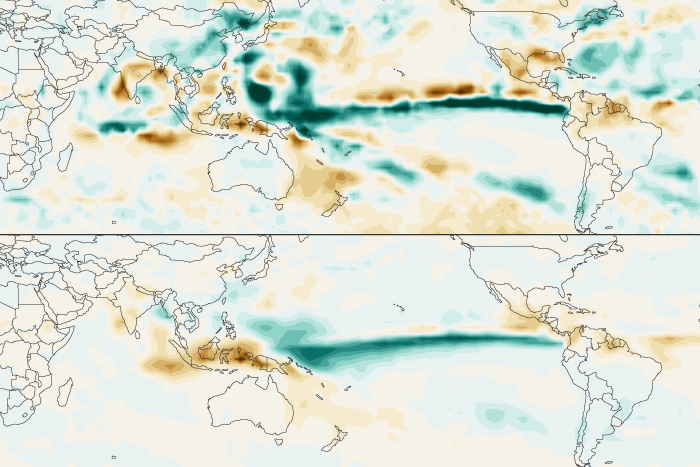
The September 2023 ENSO Outlook predicts El Niño will stick around at least through January-March 2024. But don't just take it from us, hear directly from the Pacific Ocean and tropical atmosphere, who join the blog to answer some questions.
NOAA's network of moored buoys in the tropical Pacific is getting an upgrade that will help scientists better understand and predict El Niño and La Nina.
Our blogger explains how scientists grade seasonal outlooks and talks about how this winter's outlooks for U.S. temperature and precipitation performed.
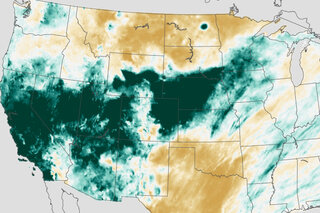
Atmospheric rivers take a chunk out of California drought
January 25, 2023
The January 2023 climate outlook favors a wetter-than-average start to the new year for the western US, northern Plains, Great Lakes and Tennessee Valley, and a warmer-than-average month for the central and eastern United States.