Despite the ongoing La Niña cooling the tropical Pacific, 2022 is virtually certain to be one of the 10 warmest years in the historical record.
As the ENSO blog turns 8, we're looking at the present nobody wanted: a La Niña three-peat looks increasingly likely this winter.
April was a little cooler than average for the contiguous United States, and it was a month for extreme events, with tornadoes, blizzards, and wildfires.
Two NOAA hurricane experts explain why it’s still so hard to say whether global warming to date has affected the number or intensity of Atlantic hurricanes.
If you're planting a garden this spring, this set of maps based on U.S. climate data can help you see how planting zones across the country have shifted over the past few decades.
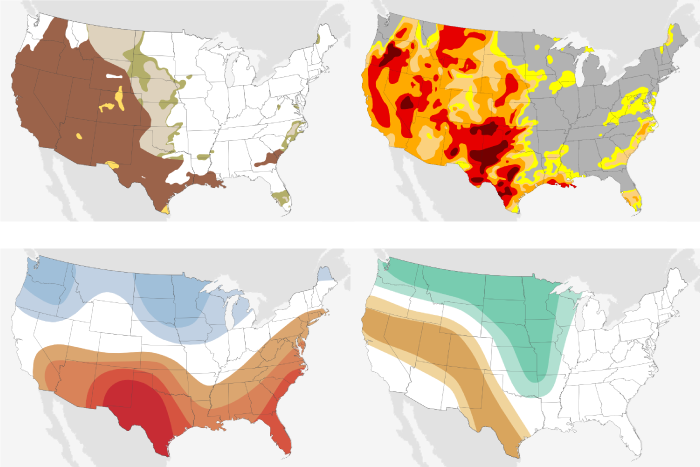
May 2022 U.S. Climate Outlook: Cooler- and wetter-than-normal month favored across the northern tier
Across the southern tier, the odds are tilted towards a warmer-than-average May.
Our bloggers explain why climate forecasters keep using that word...and how it doesn't mean what you think it means.
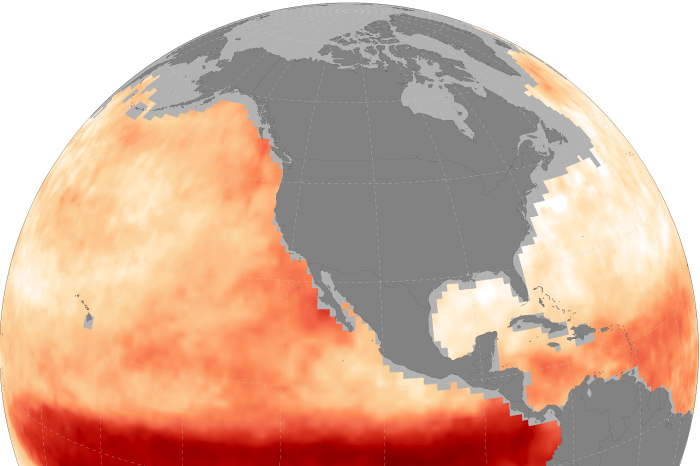
Forecasts provide an opportunity for us to reduce other stress on ocean life and prepare communities for economic impacts.
Fifth-warmest March on record. Near-record-low sea ice in the Southern Hemisphere. Many precipitation disruptions consistent with La Niña climate pattern.
From ranks to probabilities, our blogger runs you through the numbers that add up to NOAA's forecast that La Niña is likely to last through summer.