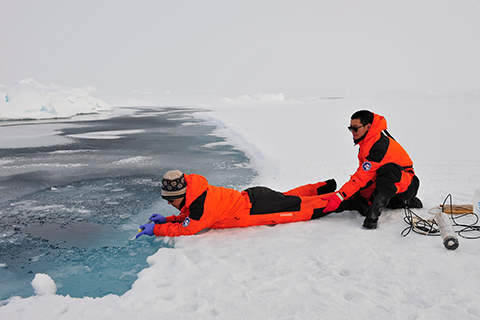
The area of the Arctic Ocean experiencing acidification due to excess carbon dioxide is growing rapidly. Communities dependent on shellfish and other marine resources could be at risk.
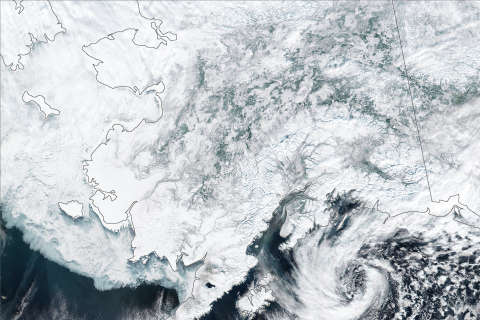
This year's Iditarod sled dog race is underway, but it was forced to start hundreds of miles farther north than usual due to poor snow conditions.
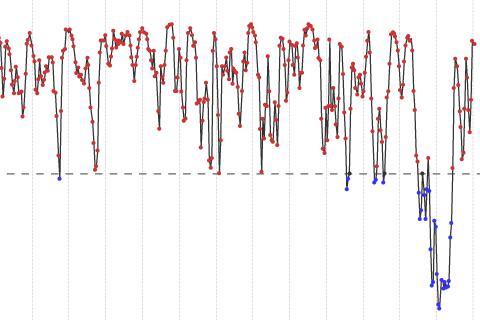
In 2016, daily temperatures in Alaska that were warmer than average outnumbered those that were cooler than average by a 9 to 1 ratio.
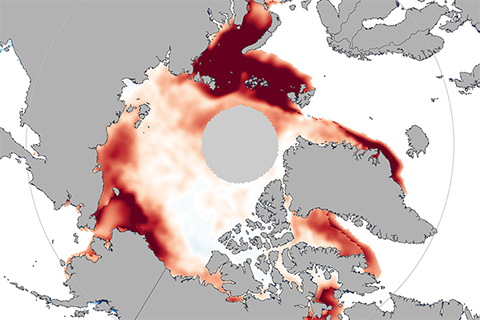
A black swan event is a situation so rare that few people would have imagined it was possible. In November 2016, researchers were caught off guard by just such an event: extremely low sea ice extents in both the Arctic and Antarctic.
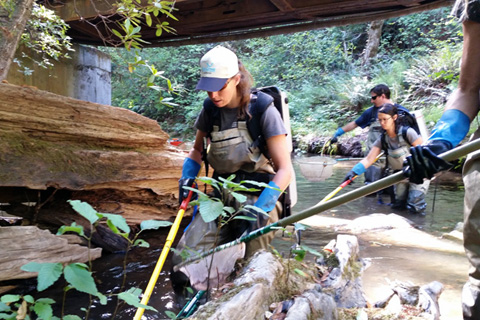
Blocked for decades by an impassable dam, 11.2 miles of prime habitat are now open to endangered Caifornia coho salmon. Access to the upper stream elevations will make the salmon and steelhead trout that migrate into the Russian River watershed to spawn much more resilient to temperature and drought extremes.
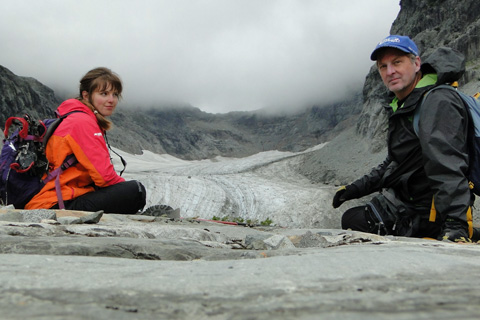
The author of the glacier chapter of the 2015 State of the Climate report and his daughter talk about how family connections brought them together scientifically, and how science keeps bringing their family together.
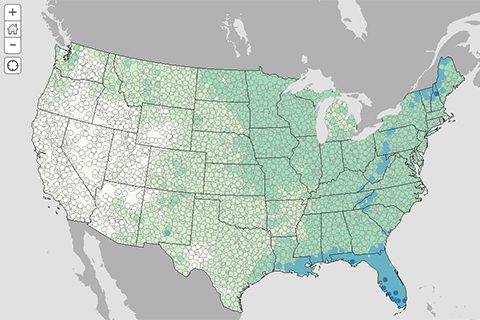
If you had to pick your Fourth of July picnic location based solely on past weather, where does the climate record say you'll have the least chance of rain? Our interactive map shows historic odds of rain on your parade.
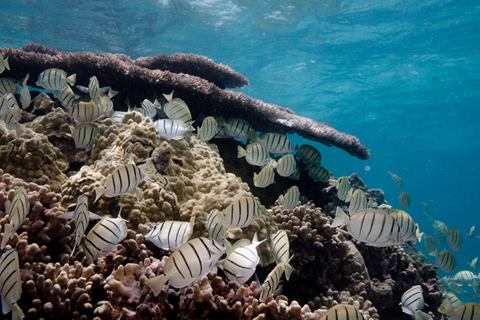
From protecting our waterways to reducing overfishing, we've made a lot of progress since the first Earth Day. Take a look at five big wins in the 46 years since 1970.
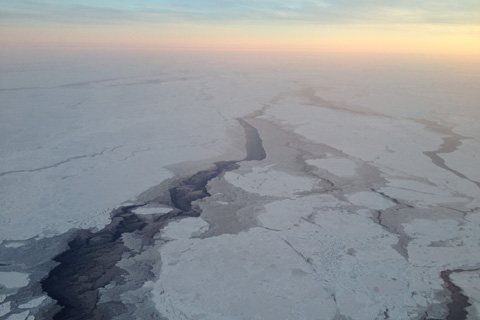
Increasing air and sea surface temperatures, decreasing sea ice extent and Greenland ice sheet mass, and changing behavior of fish and walrus are among key observations released today in the Arctic Report Card 2015.
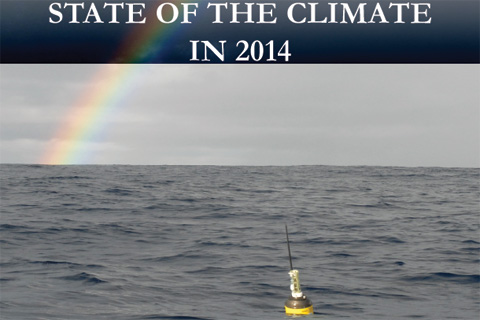
The annual State of the Climate reports involve more than 400 international authors from more than 50 countries. Two chapter authors reflect on what it means to play a part in such an ambitious report.