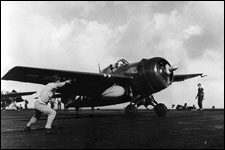
NOAA researchers have built a "time machine" for weather that provides detailed snapshots of the global atmosphere from 1891 to 2008. The system's ability to "hindcast" past weather events is emerging as a powerful new tool for detecting and quantifying climate change.
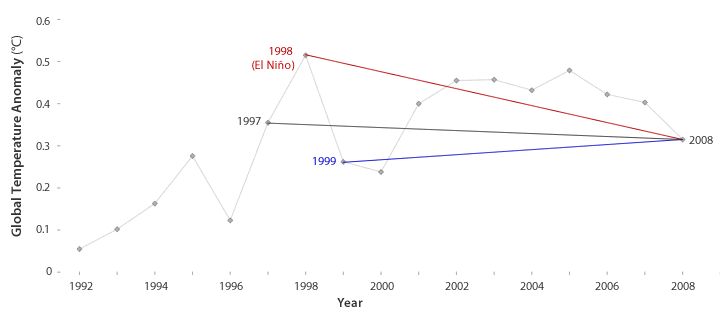
Has global warming stopped? That's what some people claim, based on global temperatures recorded since 1998. But, scientists say, not setting a new record high temperature each year doesn't mean the globe is cooling.
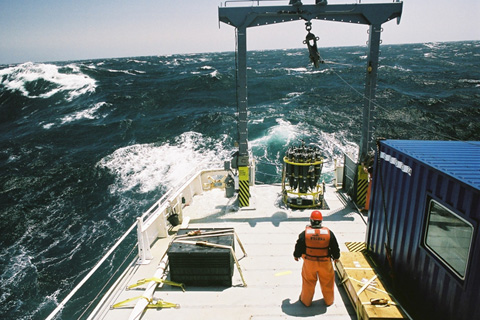
In the summer of 2007, as oyster growers and hatchery managers in Washington state were experiencing yet another failed oyster harvest, Dr. Richard Feely set off on a research cruise to find out if the seawater itself was the culprit…
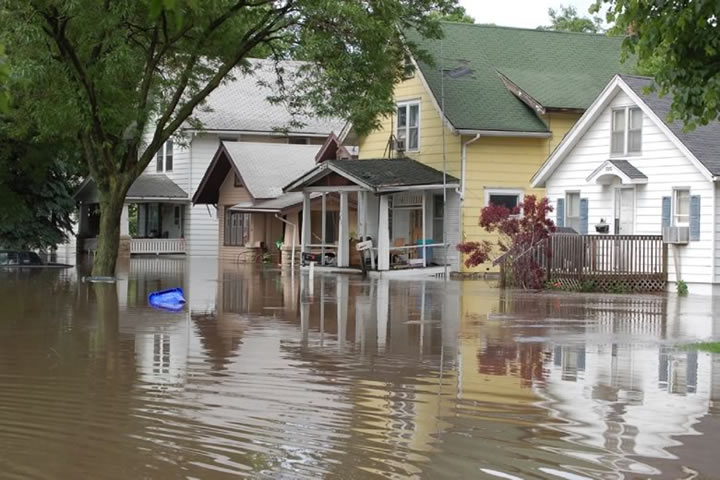
In NOAA's version of CSI, Marty Hoerling leads a group of climate and weather researchers who investigate killer climate patterns—heat waves, tornadoes, and floods—to figure out what may have triggered them.
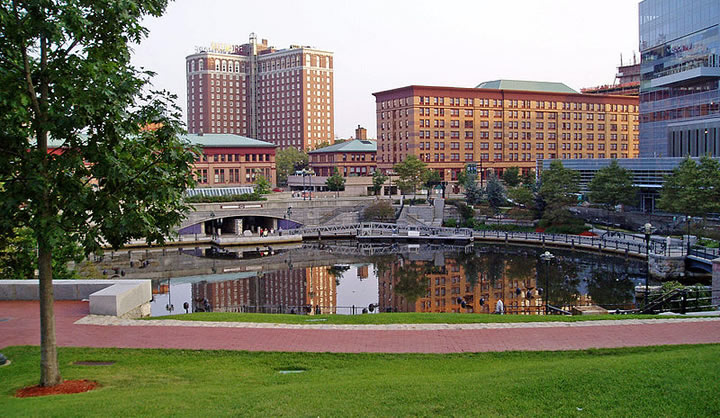
Rhode Island's coasts are already feeling the impacts of rising seas. The Rhode Island Coastal Resources Management Council and Rhode Island Sea Grant are working with the legislature to explicitly address sea level rise and climate change in the state's building code.
From football games to concerts, planning for outdoor events increasingly demands a strategy for reducing heat-related risks.
NOAA and NOAA-funded researchers are looking at extreme rain events from many different angles to identify new sources of predictability. The goal is to one day be able to predict such events weeks or months in advance.
Wildfire smoke can cause air pollution in locations thousands of miles downwind. Health experts need to know what's in the smoke people are breathing—especially smoke from fires that burn into urban areas and ignite synthetic materials.
In the medical community's heroic response to the COVID pandemic, one doctor saw a model for responding to the climate crisis.
Record-breaking heat waves impacted tens of millions of people in several parts of the country.